Everything About Veterinarian Surgery: Comprehending the Relevance of Professional Take Care Of Your Pets
Veterinary surgery is an important component of pet dog health care. It includes various procedures, from routine elective surgeries to immediate treatments. Recognizing the intricacies of these surgeries can aid animal proprietors make informed choices. The prep work, implementation, and healing phases are necessary for making sure the health of pets. With correct knowledge, owners can navigate the intricacies of vet treatment. What factors should be taken into consideration prior to a pet undertakes surgical treatment?
Sorts Of Veterinarian Surgeries
When a pet needs medical treatment, understanding the numerous kinds of veterinarian surgical procedures can assist pet dog proprietors make informed choices. Vet surgeries can be extensively categorized into 3 main types: elective, immediate, and emergency surgical procedures. Elective surgical treatments, such as spaying or neutering, are prepared procedures that are not immediately lethal. Urgent surgeries, like those for international body removal, have to be carried out soon yet are not dangerous in the minute. Emergency surgical procedures, such as those addressing serious injury or interior bleeding, are important and require immediate attention.Additionally, surgical procedures can vary in intricacy, varying from minimally invasive laparoscopic treatments to extra comprehensive open surgical procedures. Each sort of surgical procedure carries its own risks and healing procedures. Understanding these categories permits pet dog proprietors to involve in significant conversations with veterinarians, causing much better end results for their precious family pets.
Getting ready for Your Pet dog's Surgery
Getting ready for a pet's surgical procedure includes an extensive list to ensure all basics are covered. Efficient interaction with the vet is crucial for comprehending the treatment and any required pre-operative steps - 24 hour vet bellingham. Furthermore, having clear post-operative treatment instructions will assist proprietors supply the most effective support for their recouping animals
Pre-Surgery Checklist Basics
Guaranteeing a smooth surgical experience for a pet dog calls for cautious prep work and attention to detail. A pre-surgery list is vital for animal proprietors to adhere to. Confirming the arranged surgical treatment date and time is important. Owners ought to likewise validate that their pet has fasted according to the vet's guidelines, generally for 8-12 hours before surgery. Gathering necessary medical records, consisting of vaccination history, is necessary for the vet's review. It is additionally suggested to prepare a comfy room in your home for the family pet's healing after surgical procedure. Lastly, owners must have a prepare for transport to and from the vet facility, making certain that the pet dog is safe and secure and comfortable throughout the trip. Following these actions can greatly boost the medical experience.
Interacting With Your Veterinarian

Effective interaction with the vet is essential for an effective medical experience for pets. Proprietors need to be prepared to discuss their family pet's case history, consisting of any kind of pre-existing problems, drugs, and allergic reactions. This info assists the vet evaluate dangers and tailor the surgical plan accordingly. Furthermore, animal owners must ask concerns regarding the treatment, anesthetic, and anticipated outcomes to assure they completely comprehend the process. Clearing up any questions can reduce stress and anxiety for both the family pet and the proprietor. It is likewise essential to interact any kind of behavioral changes or problems observed in the animal leading up to the surgical procedure. Ultimately, clear dialogue fosters trust and partnership, ensuring that pets receive the finest possible treatment throughout their surgical trip.
Post-Operative Treatment Directions
After going over the procedure with the vet, family pet owners must focus on post-operative treatment instructions to promote a smooth recuperation for their pet dogs. These directions usually consist of keeping track of the medical site for indicators of infection, such as soreness or discharge. Pet dogs may require to be kept calm and confined to stop extreme activity that could interrupt recovery. Discomfort administration is vital, so owners must comply with the veterinarian's support on administering medicines. Furthermore, dietary limitations may be advised to stay clear of gastrointestinal trouble. Normal follow-up visits are essential to guarantee correct healing and attend to any kind of issues. By adhering to these post-operative care directions, pet owners can considerably contribute to their family pet's healing and total wellness.
The Surgical Refine Explained
The surgery for pets incorporates important steps that guarantee their safety and recuperation. Pre-surgery preparations are essential for lessening threats, while post-operative treatment guidelines play a crucial duty in promoting healing. Comprehending these elements aids family pet proprietors browse the surgical experience better.
Pre-Surgery Preparations
Before a family pet goes through surgical procedure, numerous important preparations should occur to ensure a risk-free and successful treatment. A thorough veterinary exam is essential to assess the pet's general health and wellness and determine any type of prospective dangers. This may include blood examinations, imaging, or various other diagnostics. The vet will certainly likewise talk about anesthetic alternatives tailored to the family pet's certain needs. In addition, pet proprietors are generally instructed to keep food and water for a defined time prior to surgery to lessen the risk of difficulties throughout anesthetic. It is essential for proprietors to supply a full case history, including any type of medicines or allergies, making certain the surgical team has all needed info. Appropriate communication and adherence to pre-surgery guidelines can significantly enhance the get more info result of the treatment.
Post-Operative Treatment Guidelines
Proper post-operative treatment is crucial for guaranteeing an animal's recovery complying with surgical procedure. After the procedure, pets need to be kept an eye on carefully for any indicators of problems, such as extreme bleeding, swelling, or unusual habits. It is necessary to adhere to the vet's guidelines concerning drugs, consisting of painkiller and antibiotics. Animals ought to be kept in a silent, comfortable environment to reduce stress and anxiety and advertise recovery. Restricting task is essential; short, leashed walks may be needed, however jumping or running must be prevented. Routine follow-up consultations should be set up to analyze the healing procedure. Furthermore, the surgical site should be kept tidy and dry, with any indications of infection reported to a vet promptly. Following these guidelines boosts recuperation results.
Anesthetic and Pain Administration
Reliable anesthetic and pain administration are important parts of vet surgery, making certain that animals continue to be comfy and risk-free throughout the treatment. Vets evaluate each pet dog's specific demands, thinking about aspects such as age, weight, health and wellness condition, and the type of surgical treatment being performed.Anesthesia methods generally consist of a mix of pre-anesthetic medications, induction agents, and inhalant anesthetics, permitting precise control over the animal's degree of awareness. Surveillance throughout surgical treatment is important; veterinarians continually observe essential signs to deal with any type of prospective difficulties promptly.Pain monitoring approaches might include opioids, non-steroidal anti-inflammatory medicines (NSAIDs), and anesthetics, tailored to the animal's specific scenario. This multifaceted approach helps minimize pain and advertises a smoother medical experience. By prioritizing efficient anesthesia and discomfort administration, veterinary experts boost the general welfare of pets going through surgical treatments, ensuring they obtain the greatest standard of treatment.
Post-Operative Care and Recovery
Complying with surgical treatment, the emphasis changes to post-operative treatment and healing, which is vital for guaranteeing a family pet's secure return to normal activities. Throughout this duration, pets need a peaceful, comfy environment to help recovery. Owners should carefully monitor their animals for any kind of indications of discomfort or unusual behavior.Veterinary guidelines often consist of particular directions associated to medicine management, wound care, and nutritional adjustments. It is essential to abide by these suggestions to decrease problems and advertise recovery. Animals may need to be limited from vigorous activities, such as running or jumping, throughout their healing period (emergency vet near me).Regular follow-up visits with the vet permit surveillance of the animal's progress and prompt adjustments to the treatment strategy. Supplying psychological assistance and friendship can likewise improve a family pet's healing experience, helping to reduce tension and anxiety. Overall, attentive post-operative treatment plays a substantial function in achieving a successful healing
Acknowledging Issues After Surgery
Exactly how can animal proprietors determine complications after surgical treatment? Awareness of details signs is vital for making sure the wellness of pets throughout recovery. Usual indications include too much swelling, inflammation, or discharge at the surgical site, which might signify infection. Additionally, persistent pain, shown by grumbling or unwillingness to relocate, need to trigger immediate interest. Adjustments in appetite or water intake can additionally suggest problems; a decrease in these habits might signal discomfort or distress.Moreover, pet dog proprietors ought to check their family pets for any kind of unusual actions, such as lethargy or problem breathing, as these can be indications of serious concerns. Vomiting or diarrhea adhering to surgical treatment might require urgent veterinary analysis. Identifying these difficulties early can considerably impact a pet dog's healing procedure, emphasizing the value of watchfulness and punctual communication with a veterinarian for any kind of worrying signs and symptoms.
The Role of Vet Professionals in Surgical Treatment
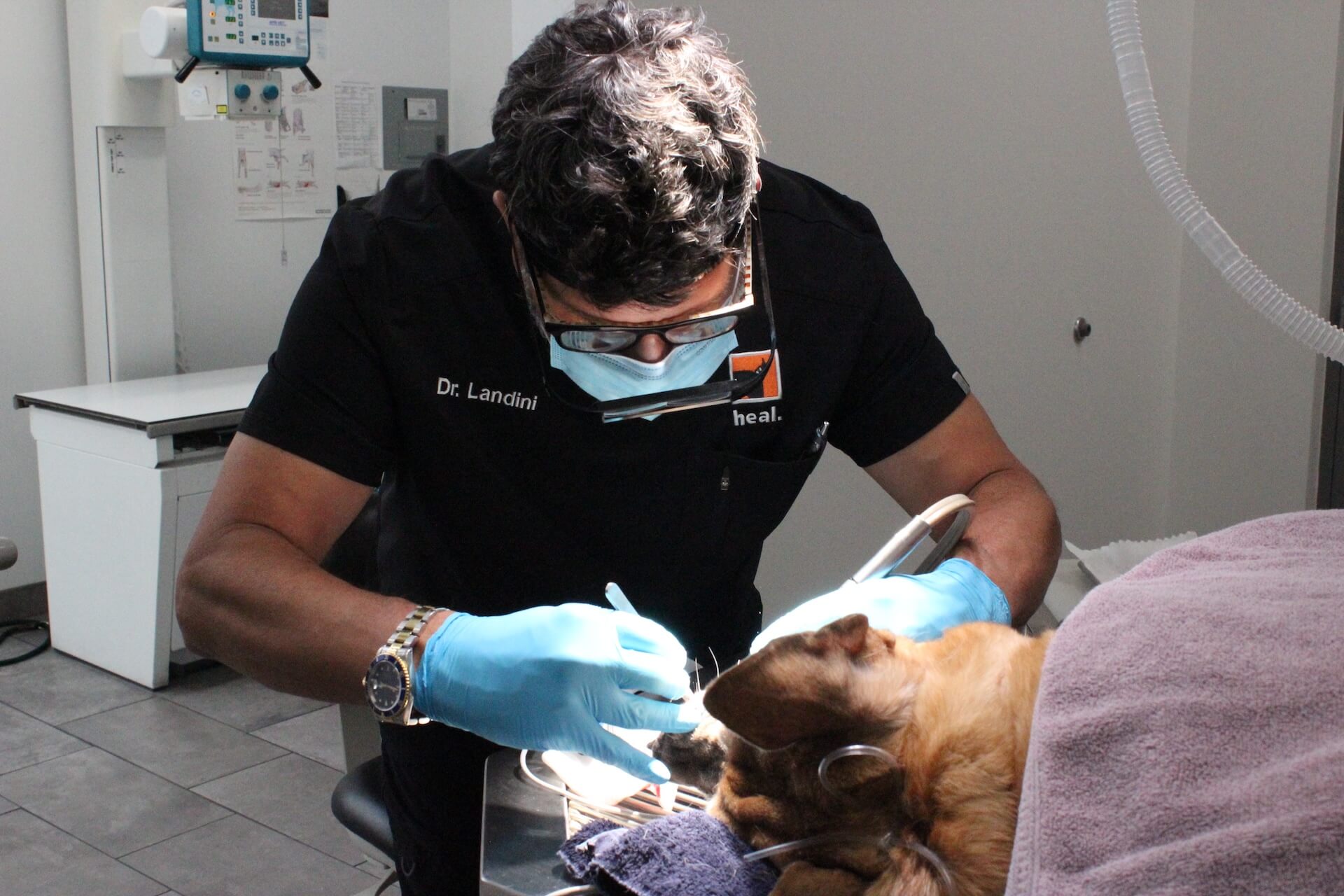
Veterinary professionals play a crucial role in guaranteeing the safety and success of operations for pet dogs, specifically following surgical treatment when keeping an eye on and care are vital. These professionals consist of veterinarians, vet professionals, and support team, every one of whom contribute specialized skills to the surgical process.Before surgical treatment, veterinarians conduct complete analyses to analyze the pet dog's wellness, making sure that any kind of underlying conditions are taken care of. During the procedure, the medical team offers anesthetic, maintains sterile environments, and keeps track of vital indicators, all important for reducing risks.Post-operative treatment is similarly significant; veterinary specialists observe for issues, manage pain, and guide owners on recuperation methods. Their experience enables them to recognize very early indications of distress or infection, making certain timely intervention. Inevitably, the joint efforts of vet experts in surgical treatment foster a secure setting, advertising the wellness of family pets throughout the surgical trip.
Regularly Asked Questions
Just how Do I Select the Right Veterinary Specialist for My Animal?
Picking the appropriate veterinary cosmetic surgeon includes looking into qualifications, reading reviews, and reviewing the facility's environment. It is important to show on the doctor's experience with particular treatments and their communication style when choosing.
What Are Common Misconceptions About Vet Surgeries?
Usual false impressions about vet surgeries include beliefs that they are always high-risk, unnecessary, or for emergencies. Several pet dog owners ignore the advantages of preventive procedures and the ability involved in vet medical care.
How Much Will My Family pet's Surgical procedure Expense?
The expense of a pet dog's surgical procedure can differ substantially based on variables such as the kind of procedure, the veterinarian's experience, and geographic area (animal emergency care bellingham). Normally, costs vary from a couple of hundred to a number of thousand bucks
Can My Family Pet Consume Before Surgical Procedure?
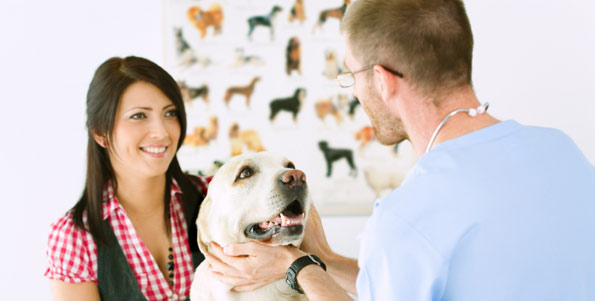
Before surgical treatment, it is normally recommended that animals avoid from eating for a certain period. This fasting helps minimize the risk of difficulties during anesthetic. Proprietors need to consult their vet for specific guidelines customized to their pet's needs.
What if My Animal Has Pre-Existing Health And Wellness Conditions?
When a pet dog has pre-existing health and wellness problems, it's crucial for the vet to evaluate these factors before surgical procedure. This analysis assurances proper preventative measures are taken, reducing dangers and optimizing the pet dog's overall security throughout the procedure.